
PlasmaXchange in Mesa: What to Expect at Your First Appointment
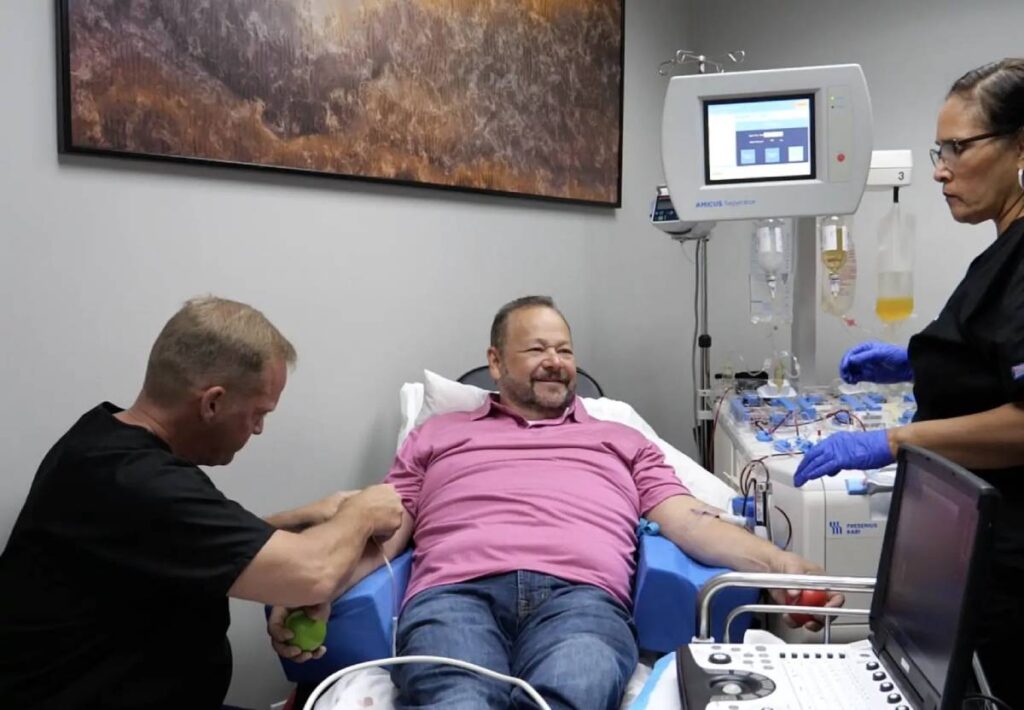
If you’re exploring advanced detox-supportive care in Mesa, you may have come across PlasmaXchange. At RxFormulations, PlasmaXchange is offered in collaboration with MD Lifespan and is based on therapeutic plasma exchange (TPE), a medical procedure that has been used in clinical settings for decades.
Therapeutic plasma exchange involves removing a portion of plasma from the blood and replacing it with a sterile solution. Because plasma can carry inflammatory proteins, immune complexes, and other circulating compounds, this process is used in both hospital and specialty settings to help reduce their concentration in the bloodstream.
Some patients describe PlasmaXchange as similar to an “oil change” for the body, in the sense that it removes circulating substances that may contribute to inflammation or immune imbalance. Individual experiences vary, and outcomes depend on overall health, medical history, and treatment goals. This guide explains what PlasmaXchange is, who may be an appropriate candidate, and what to expect at your first appointment.
What Is PlasmaXchange?
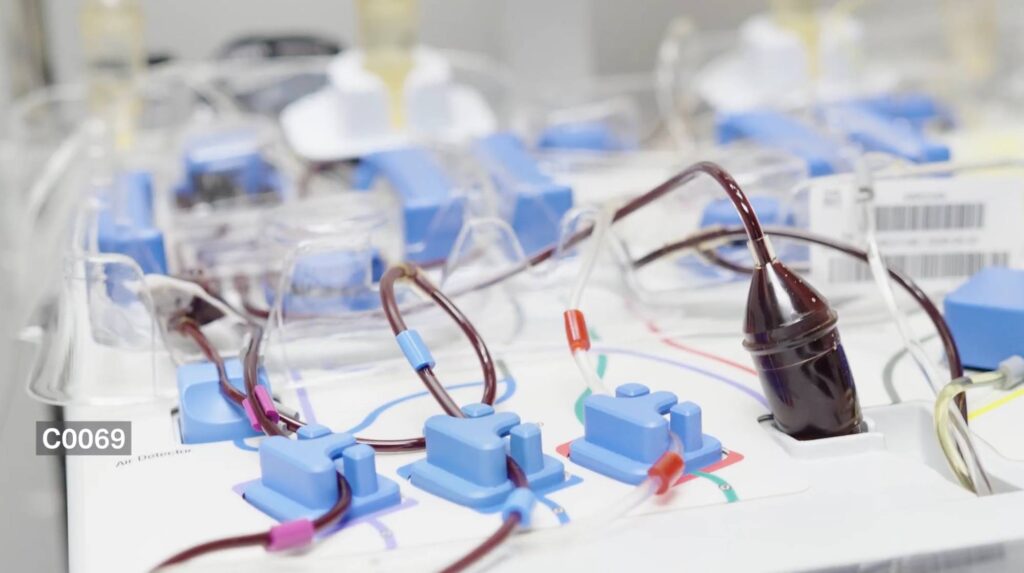
PlasmaXchange is a form of therapeutic plasma exchange (TPE) performed in a monitored clinical environment. During treatment, blood is drawn through an intravenous line and processed through specialized equipment that separates plasma from blood cells.
The plasma portion, which may contain inflammatory proteins, auto-antibodies, or other circulating substances, is removed. Red and white blood cells are returned to the body along with a replacement solution that typically includes saline and albumin. The procedure does not alter blood cells themselves and does not permanently change how the body produces plasma.
A single session may process multiple liters of plasma over several hours. The primary goal is to temporarily reduce circulating levels of certain plasma-bound substances, not to permanently eliminate them.
Understanding Plasma and Plasma Exchange
Plasma is the liquid component of blood and accounts for slightly more than half of total blood volume. It serves as a transport medium for electrolytes, proteins, hormones, antibodies, and clotting factors that support circulation, immunity, and cellular function.
In certain medical and inflammatory conditions, plasma may contain elevated levels of auto-antibodies, immune complexes, or inflammatory mediators. When present at higher concentrations, these substances can continue circulating throughout the body and may contribute to symptoms such as fatigue, cognitive difficulty, joint discomfort, or immune dysregulation.
In standard blood donation, clinicians use a process called plasmapheresis to collect plasma from healthy donors. Plasma exchange differs in that it removes a patient’s plasma and replaces it with a clean solution. This exchange temporarily lowers the concentration of circulating plasma-bound substances and helps rebalance the internal environment.
Plasma exchange is sometimes compared to dialysis, but the two procedures serve different purposes. Dialysis removes small waste molecules when kidney function is impaired. Plasma exchange targets larger proteins, antibodies, and compounds dissolved in plasma. For this reason, plasma exchange is used in specific autoimmune, neurological, and inflammatory contexts rather than kidney disease.
Who May Be a Candidate for PlasmaXchange?
While PlasmaXchange is often discussed in longevity and wellness contexts, therapeutic plasma exchange has established medical applications beyond anti-aging. Individuals who may be evaluated for PlasmaXchange include:
Longevity and wellness-focused individuals
Reducing circulating inflammatory proteins and environmental compounds may support overall resilience and metabolic balance when used under medical supervision.
Individuals with autoimmune or inflammatory conditions
Therapeutic plasma exchange has been used in hospital settings to support care for conditions such as multiple sclerosis, myasthenia gravis, lupus, and rheumatoid arthritis by lowering circulating auto-antibodies. It is used as a supportive therapy and is not a cure.
Cardiovascular and metabolic health support
TPE may help reduce certain circulating lipids and inflammatory markers associated with cardiovascular risk, depending on individual health factors.
Neurological and cognitive support
By lowering plasma-bound neurotoxic proteins, plasma exchange has been studied in neurological and neurodegenerative conditions. Research is ongoing, and results vary by individual.
General detox-supportive care
Some otherwise healthy adults pursue PlasmaXchange to help reduce exposure to heavy metals, microplastics, and persistent environmental pollutants as part of a broader, physician-guided wellness strategy.
PlasmaXchange is not appropriate for everyone. Individuals with severe anemia, unstable cardiovascular conditions, active infections, or low protein levels may need to postpone or avoid treatment. Pregnant or breastfeeding individuals should consult their healthcare provider. A comprehensive medical evaluation is required before treatment.
Scientific Use and Safety Profile
Therapeutic plasma exchange has been used in hospital settings for decades and is considered a well-established medical procedure when performed by trained professionals in appropriate clinical environments.
Clinical research supports its use in specific autoimmune, neurological, and hematologic conditions. Its application in longevity or preventive wellness is an evolving area of interest and should be approached with appropriate medical oversight and realistic expectations.
At RxFormulations, PlasmaXchange protocols are informed by existing clinical standards and are overseen by experienced medical professionals.
Why Patients Seek PlasmaXchange in Mesa
PlasmaXchange is not a trend-based therapy. It is a science-based procedure with defined clinical uses and expanding interest in wellness-focused care. Individuals often explore PlasmaXchange for:
Support with inflammatory burden
Everyday exposure to pollutants and environmental compounds may contribute to systemic inflammation. Plasma exchange can temporarily reduce circulating inflammatory proteins.
Hormone and immune balance support
Lowering plasma-bound compounds that interfere with hormone signaling may support endocrine balance as part of a broader care plan.
Healthy aging and cognitive support
Reducing inflammatory markers associated with aging may help support cardiovascular and cognitive health.
A detox-first approach
At RxFormulations, we emphasize addressing foundational detoxification before layering additional therapies, such as hormone support, when appropriate.
Preparing for Your First PlasmaXchange Appointment
Proper preparation helps ensure a smoother experience:
Hydration and nutrition
Drink noncarbonated, nonalcoholic fluids in the days leading up to treatment and eat a meal beforehand to support blood sugar stability.
Medication review
Share all medications and supplements with our team, particularly blood thinners, seizure medications, or heart rhythm medications.
Transportation planning
Fatigue is common after treatment, so arranging a ride home is recommended.
What Happens During the Session
Venous access
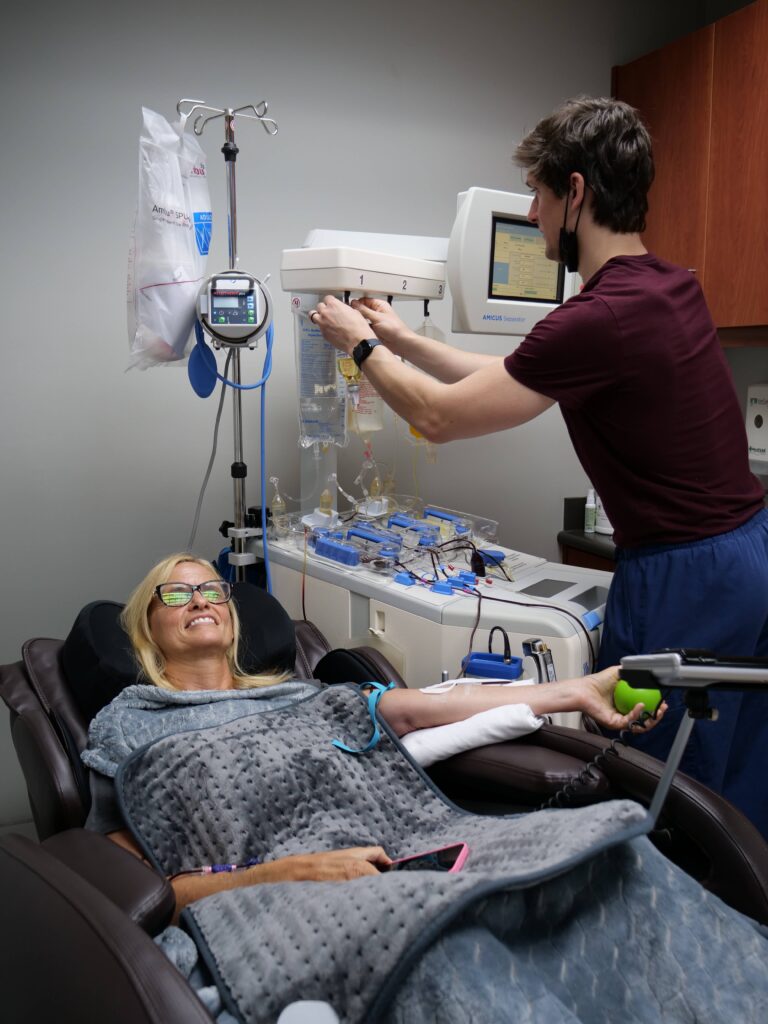
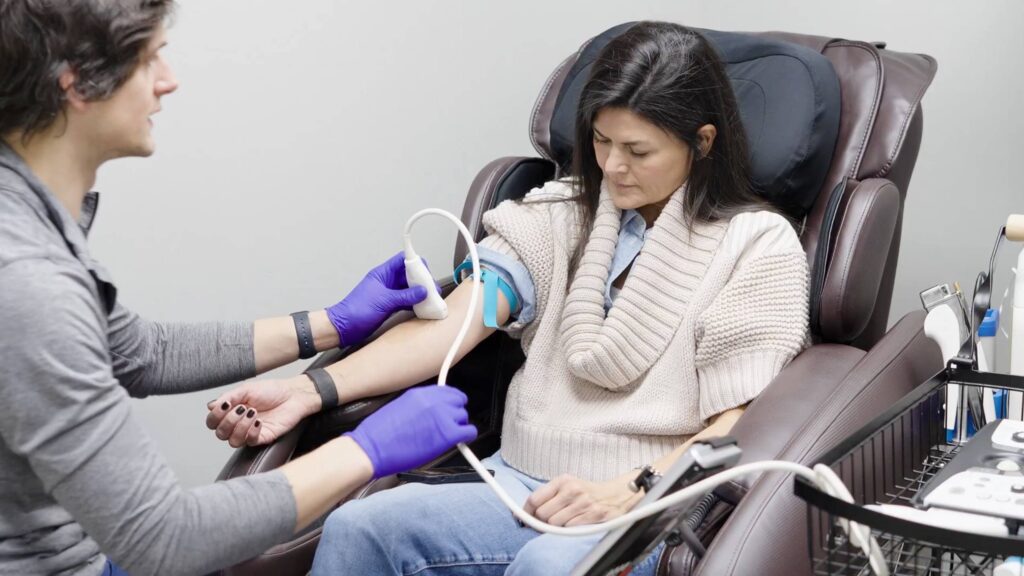
IV lines are typically placed in both arms, though placement varies by individual. You’ll rest in a comfortable chair while being monitored throughout the session.
Plasma filtration
Blood is processed through specialized equipment that separates plasma from blood cells. An anticoagulant is used to prevent clotting while blood is outside the body.
Session length
Most PlasmaXchange treatments last two to three hours, depending on individual factors such as body size and blood composition.
Common sensations
Some individuals experience temporary tingling, mild nausea, or a metallic taste. These effects are generally short-lived and closely monitored.
Aftercare and Recovery
Many patients feel tired later in the day following treatment. We recommend:
- Drinking fluids to support hydration
- Resting for the remainder of the day
- Contacting our team if any unusual or persistent symptoms occur
Potential Risks and Considerations
PlasmaXchange is generally well tolerated. Temporary shifts in calcium or magnesium levels may occur and are monitored during treatment. Mild blood pressure changes or a sensation of feeling cold can also occur and are typically managed with fluids and supportive care.
Serious complications are rare when the procedure is performed in a controlled clinical setting using sterile, single-use equipment.
PlasmaXchange and IV Nutrient Support
PlasmaXchange is one component of a broader wellness approach. In addition to plasma exchange, we offer IV nutrient therapies that deliver vitamins, minerals, and antioxidants directly into the bloodstream.
When used together under medical guidance, detox-supportive care and targeted nutrient replenishment may help support overall balance and recovery.
Ready to Schedule Your First Appointment?
If you live in the East Valley and are considering PlasmaXchange in Mesa, our team is here to help. At RxFormulations, we take time to review your health history, explain the process clearly, and personalize care based on your needs.
To learn more or schedule a consultation, contact us at 480-854-3100 or visit us at 5949 E University Dr., Mesa, AZ.